
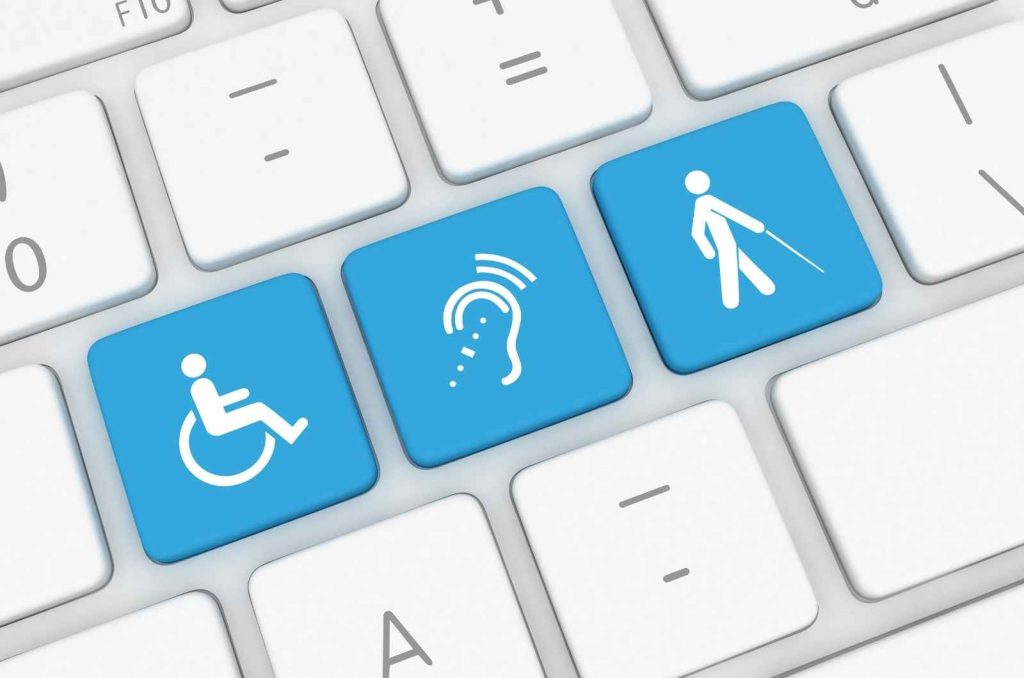
?What is Web Accessibility
web accessibility_equalweb refers to the inclusive practice of removing barriers that prevent interaction with, or access to websites, by people with disabilities. When sites are correctly designed, developed, and edited, all users have equal access to information and functionality. This concept extends beyond just aiding those with disabilities; it also encompasses the development of web content that can be universally accessed by users regardless of the device they're using, such as smartphones, laptops, or tablets, or their internet connection speed.
The essence of web accessibility lies in its ability to make the digital world inclusive for individuals with a wide range of disabilities, including auditory, cognitive, neurological, physical, speech, and visual impairments. By adhering to certain principles and guidelines, such as the Web Content Accessibility Guidelines (WCAG), web creators ensure that their content is perceivable, operable, understandable, and robust. This not only enhances usability for users with disabilities but also improves the overall user experience, making websites more navigable and intuitive for everyone.
In essence, web accessibility embodies the principle that the internet should offer equal opportunities and access to all, aligning with broader objectives of digital inclusion and equity in the information age.
?Why is Web Accessibility Important
The importance of web accessibility cannot be overstated, as it directly impacts the ability of individuals with disabilities to participate fully in society. Given the pervasive role of the internet in daily life—spanning education, employment, government, commerce, health care, and recreation—ensuring equitable access to web-based resources and services is a matter of social justice and legal compliance.
Firstly, web accessibility is crucial for enabling individuals with disabilities to obtain information, engage in communication, and perform tasks online that might otherwise be inaccessible to them. This not only empowers them but also contributes to their independence and quality of life. Moreover, as the global population ages, the number of people benefiting from accessible web designs is steadily increasing, encompassing those experiencing temporary disabilities, situational limitations, and age-related impairments.
Additionally, web accessibility has legal implications. In many jurisdictions, laws and regulations, such as the Americans with Disabilities Act (ADA) in the United States, mandate that digital and web-based services must be accessible to people with disabilities. Non-compliance can lead to legal challenges, financial penalties, and damage to an organization's reputation.
Beyond the ethical and legal imperatives, web accessibility makes good business sense. Accessible websites tend to have better search results, reduced maintenance costs, and a wider audience reach, including the millions of people worldwide who have disabilities. Therefore, prioritizing accessibility is not only a matter of inclusivity but also a strategic advantage in the digital marketplace.
?Who Benefits from Web Accessibility
While the primary focus of web accessibility is to support individuals with disabilities, the truth is that its benefits extend far beyond this group. Essentially, web accessibility practices improve the user experience for a wide array of users, including but not limited to people with permanent, temporary, or situational disabilities.
Individuals with disabilities are the most direct beneficiaries of web accessibility. This includes people with auditory, cognitive, neurological, physical, speech, and visual impairments. Accessible web design enables them to perceive, understand, navigate, and interact with the web, and contribute to the web.
Elderly users, who may face challenges similar to those experienced by people with disabilities, such as reduced vision, hearing, and motor skills, also benefit significantly from accessible websites. These design adjustments can make the web more user-friendly for the aging population, facilitating their access to online services and information.
People with temporary impairments, such as a broken arm or lost glasses, find that accessibility features make it easier for them to continue using the web without major disruptions. Similarly, users in challenging situations, like those accessing the web in bright sunlight or in an environment where audio cannot be used, benefit from accessible content that can be consumed in a variety of conditions.
Finally, accessible web designs enhance the overall user experience for all users. Features like clear navigation, readable fonts, and responsive design not only cater to users with specific needs but also improve the usability and satisfaction for the wider audience. Therefore, web accessibility is not just about supporting a niche group but about fostering an inclusive digital environment that accommodates the diversity of user needs and preferences.